
Something Broken in Your Rental? What Australian Renters Should Do
A practical renter guide to handling broken appliances, leaks, safety issues and delayed repairs without losing your records or relying on the wrong state rule.
Start with safety
Protect people and the property before deciding who to call.
If there is an immediate threat to life, call emergency services. Leave an unsafe area, keep children and pets away, and only isolate water or power if you can do so safely. Do not attempt dangerous electrical, gas, structural or plumbing work yourself.
- If you smell gas, move away from the source and use the emergency contact or emergency service appropriate to the situation.
- If water is spreading, move valuables away only if safe and contact the nominated urgent-repair number.
- If a door, window or lock leaves the home insecure, report it immediately and ask what temporary security step is authorised.
- If the property may be unsafe or unfit after a fire, flood or storm, follow official emergency advice before re-entering.
Work out whether it is urgent
The label, response duty and escalation pathway come from the property’s state or territory rules.
Urgent repairs commonly involve serious leaks, dangerous electrical faults, loss of essential services, unsafe or insecure conditions, blocked toilets or major damage. The exact definition is not identical across Australia, and the agreement or local law may set the contact and response process. A broken cupboard or dripping tap may still need attention, but it may follow the routine-repair pathway.
Report the problem through the right channel
A prompt, specific report gives the rental provider a fair chance to respond and creates useful evidence.
Use the urgent-repair number, agent portal, email or other contact listed in your agreement or move-in information. Tell the rental provider or agent the address, what happened, when you noticed it, whether anyone is at risk, what services are affected and how they can reach you. Phone first when the issue is urgent, then confirm the request in writing.
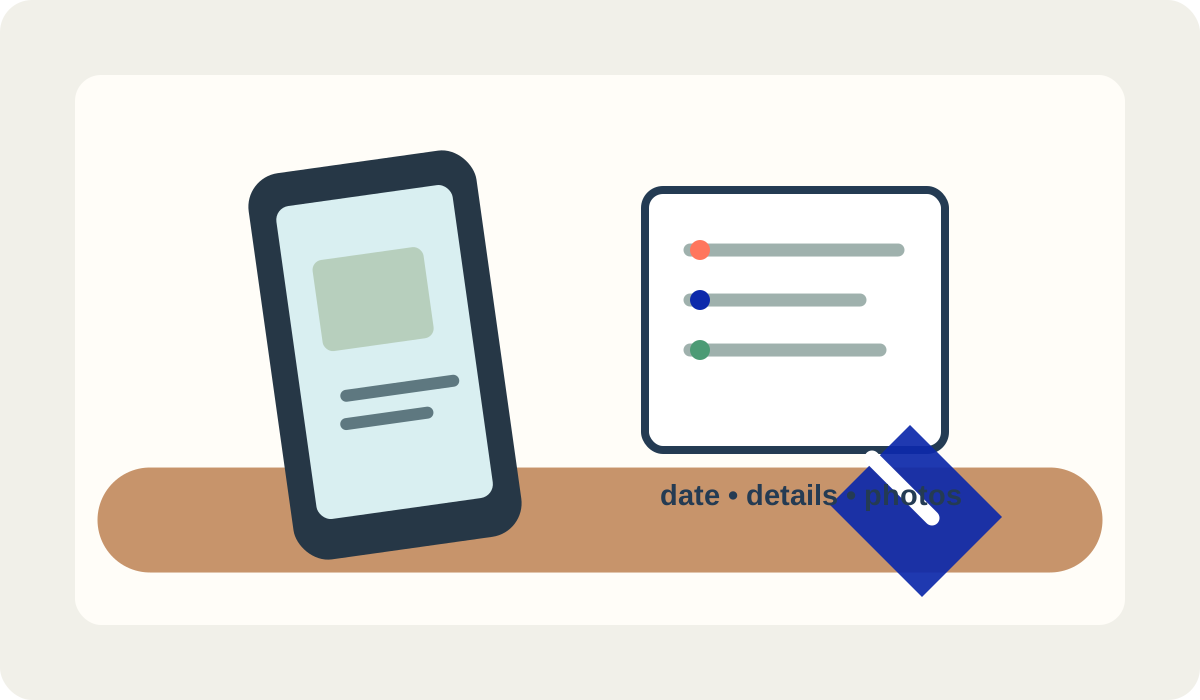
- Keep the original message, screenshots, photos and call notes.
- Ask for a reference number or confirmation when one is available.
- Describe the problem and impact without guessing the legal cause.
- Say if the issue is getting worse or has affected access, safety or essential services.
Limit further damage without accepting the wrong responsibility
Reasonable care is different from authorising work or admitting liability.
Where it is safe, take reasonable steps such as turning off a tap, moving belongings away from water or keeping a damaged area clear. Do not arrange expensive or non-urgent work, alter fixtures or agree to pay unless you have the required consent and a written understanding of the cost. If the damage may have been caused by you, a household member or a visitor, report it honestly and ask how the provider wants it handled.
Prepare for access and the repair visit
A repair needs a workable handover, but entry rules still apply.
Ask when the provider or contractor plans to attend, who will come, which rooms are needed and whether you need to be present. Keep pets and personal information secure, and report any change in the condition before the visit. Notice, timing, frequency and emergency-entry rules differ by state or territory, so check the local rule rather than assuming a proposed time is automatically valid.
- Confirm the appointment or ask for a lawful alternative time.
- Keep the affected area accessible and remove hazards where safe.
- Record who attended and what they said would happen next.
- Take a dated after-photo when the work is complete.
If the repair is delayed or ignored
Escalate in writing, then use the official support pathway for your location.
Send a concise follow-up that lists the original report, current impact, access offered and the response you need. If the provider or agent does not act within the applicable process, contact the relevant state or territory tenancy authority, dispute-resolution service or tribunal pathway. Possible remedies can include a repair order, compensation, rent-related direction or ending the agreement, but none is automatic and the correct process depends on the facts and jurisdiction.
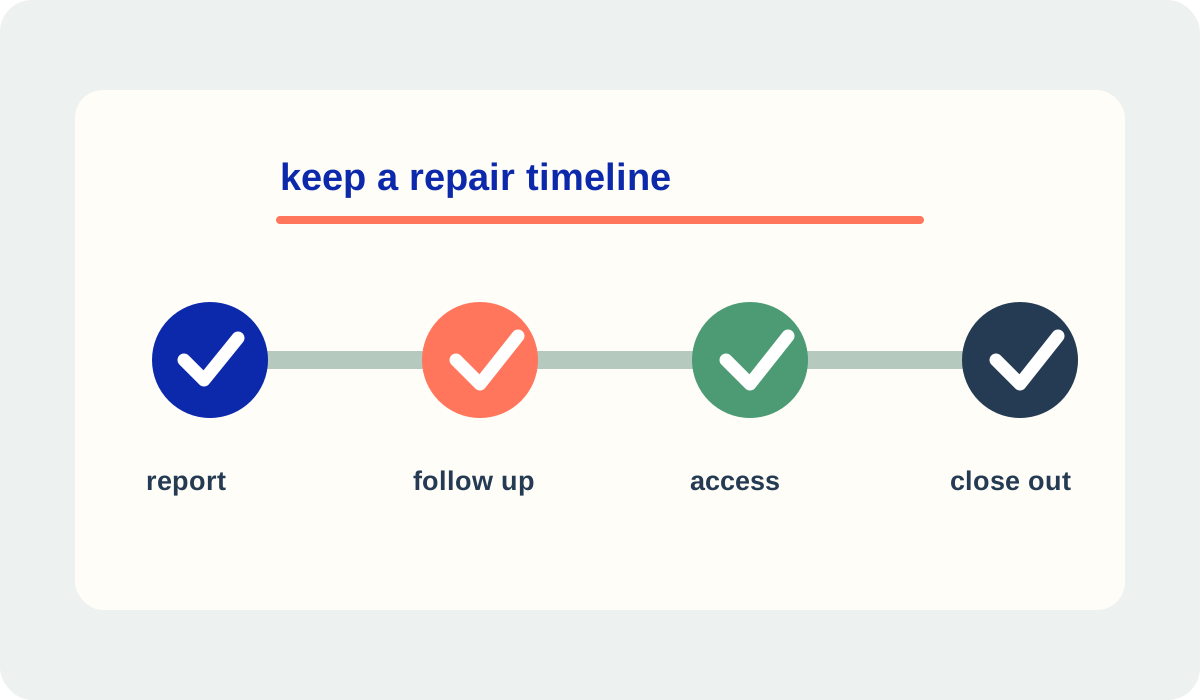
- Keep a dated timeline of every report, response and visit.
- Attach relevant photos, receipts and reference numbers.
- Ask the authority what form, notice or evidence is required.
- Continue following safety directions and lawful access arrangements while the issue is reviewed.
Keep a repair timeline and check your state
Clear records help you explain what happened without turning a general guide into a legal conclusion.
Your repair record can be simple: date reported, contact used, issue and impact, urgency assessment, response, access arrangements, work completed, costs or receipts and what remains unresolved. Before relying on a deadline or reimbursement rule, open the current official guidance for the property location. Terminology also varies: you may see tenant, renter, landlord, rental provider, lessor or agent depending on the jurisdiction.
Browse RentSeekr rental information
Keep property details, messages, dates and supporting evidence organised as your rental journey develops.
Explore RentSeekrRENTSEEKR CITY · LOCAL DISCOVERY
Looking for useful help in your area?
Choose a published City market and optional suburb or postcode to see active, approved services listed for that area. This article does not determine your location.
Choose a published City market; no location is inferred from this article.